How Pillows Hotels future-proofed its hospitality stack
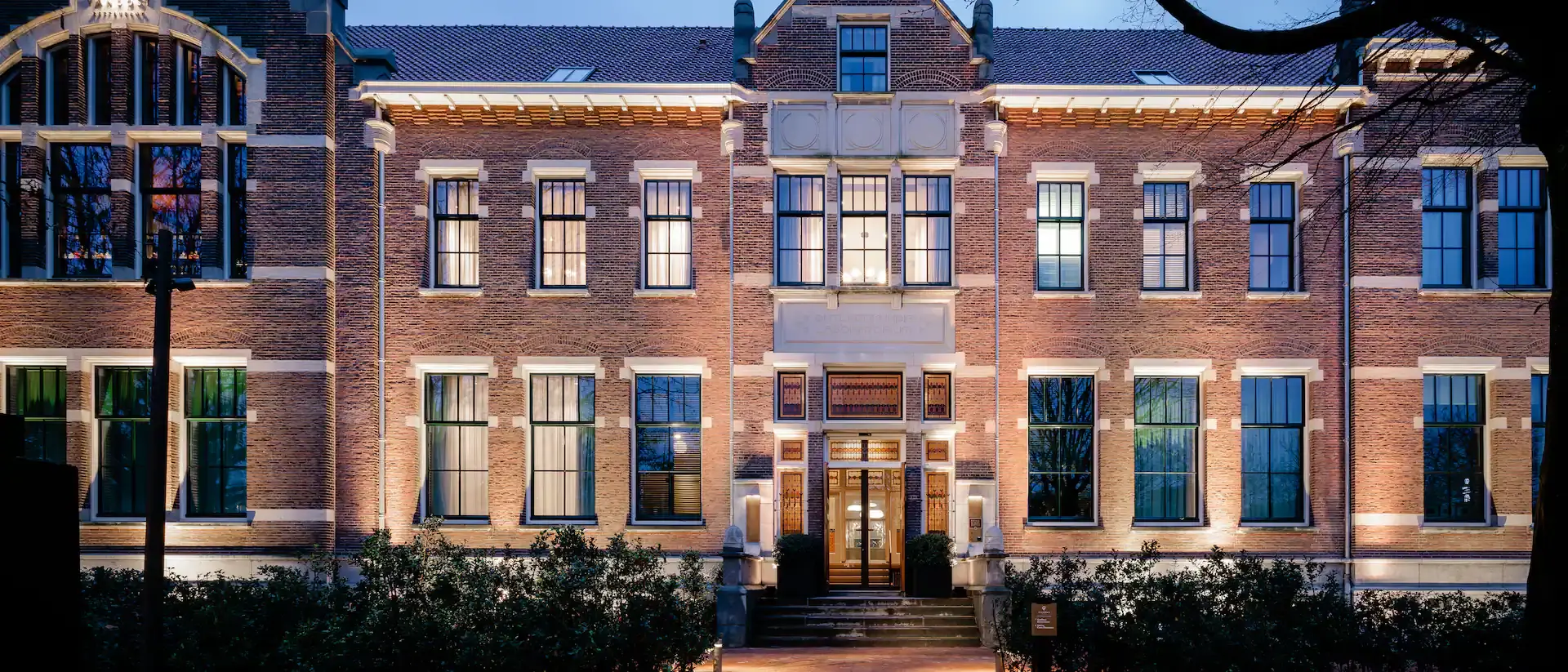

A fragmented, 8-year-old legacy stack across six properties in two countries. Best Byte turned a twice-stalled decision into a contracted, sequenced transformation.
Digital Transformation
Legacy Modernisation
Hospitality Tech
In a nutshell
Pillows Hotels, a luxury boutique group with six properties across the Netherlands and Belgium, had spent more than eight years on a fragmented legacy stack that blocked every initiative. An earlier attempt to fix it had stalled. Best Byte guided the group through four sequenced phases, from discovery to implementation, to a consolidated, integrated and AI-ready platform. The result: ~92 hours of manual work eliminated per week, over 4,200 hours recovered per year (the equivalent of 2.5 FTE), and thousands of euros saved annually on licensing and transaction fees.
Reading time: 3 minutes
Overview
Pillows Hotels is a luxury boutique hotel group with six properties across the Netherlands and Belgium, totalling around 407 rooms and 440 staff.
For more than eight years the group had run on an ageing PMS, with a technology stack assembled piece by piece over a long period: separate tools, chosen at different moments and for different reasons, never designed to work together. An earlier attempt to tackle this, roughly two years before, had stalled, leaving the group locked into an expensive, poorly integrated architecture that couldn't keep pace with its ambitions.
Key figures: 6 properties · ~407 rooms · ~440 staff · 2 countries
The Problem
Operationally, front-desk staff had four to six systems open at once during check-in. Guest communication was spread across three separate tools plus a standalone upsell platform. The PMS blocked most integrations, was hard to automate against, and the key-card systems differed across all six properties. There was no MICE tooling, so client data, planning and group bookings were tracked in spreadsheets.
Commercially, the fragmented stack carried a high annual cost that was out of proportion to the size of the operation. GDS distribution ran through a legacy path at premium rates, and per-guest messaging fees eroded the margin on every stay.
The root cause wasn't a single system, but the architecture: a disjointed collection of solutions that blocked every other initiative the group wanted to pursue.
The Approach
We didn't just hand them a list of suggestions. We guided Pillows through four sequenced phases, each closing with a concrete deliverable.
Discovery. Structured interviews across departments mapped the current state, prioritised pain points, surfaced cross-department themes and validated requirements.
Evaluation. Weighted scorecards with tailored requirements and demos produced an evidence-based vendor shortlist, with input from every participant to keep the scoring objective.
Architecture design. Integrations were mapped, consolidation opportunities identified and build-vs-buy decisions made, resulting in an integrated stack with fewer tools and ready for AI.
Implementation. Go-lives were planned across six properties with cutover runbooks and integration dependencies, scheduled within a six-month timeline.
This hands-on approach let Pillows move quickly and with confidence, without being held back by uncertainty or endless vendor promises.
The Results
Through this structured evaluation and implementation, Pillows achieved measurable wins across capacity, cost and guest experience.
Capacity recovered. ~92 hours of manual work eliminated per week, and over 4,200 hours recovered per year across the group, the equivalent of 2.5 FTE.
Costs reduced across the board. GDS connection fees down ~86%, GDS transaction fees down 30%, reservation fees down 12%, and PMS licensing down 57%.
A better guest experience. Seamless communication throughout the stay, stronger support through a single guest profile across every hotel in the group, and less admin at check-in.
"We faced a real challenge: getting our organisation ready for a complex digital transformation. Best Byte was an enormous help. What made the difference for us is that they truly understand the hospitality market. No standard advice, but thinking along in a way that fits what you actually need, and being honest and critical about it too. They brought structure to a process that can quickly become overwhelming, and kept asking questions until every detail was clear. That gave us confidence we weren't overlooking anything. All in all, a collaboration that didn't just deliver results, but was genuinely pleasant. Personal, involved, and with real expertise."
Julia Vijftigschild · Business Process Manager, Pillows Hotels

Key Takeaways
Two years of indecision were turned into structured, defensible choices in six months, plus a tight implementation plan.
The blocker was never complexity or scale, it was the absence of a structured, phased process with clear deliverables at every stage.
Pillows' own ambitions and goals stayed central, not a vendor swap, and that led to consolidation. Six independent go-lives removed the risk of a big-bang rollout.
Ownership of value creation was handed back to Pillows from day one. And crucially, Pillows now runs on a clean, integrated foundation where every system talks to every other, the precondition for genuinely unlocking AI and enabling automation.